
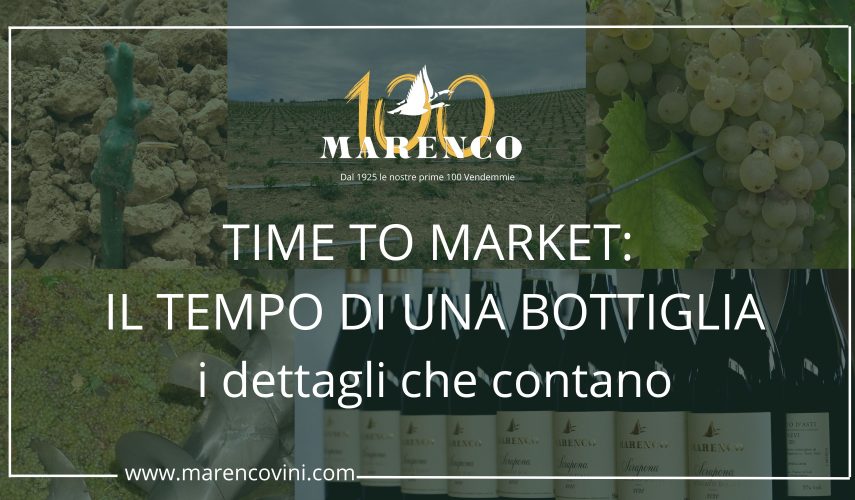
Viviamo in un’epoca in cui l’innovazione corre. Ogni anno esce un nuovo modello di automobile. Ogni sei mesi, un nuovo smartwatch promette di cambiare il nostro modo di vivere. Una linea di profumi, un nuovo distillato, un’edizione limitata di sneakers: bastano pochi mesi per passare dall’idea al prodotto finito.
Ma il vino – il vero vino – ha tempi completamente diversi. E proprio in questa lentezza, nella pazienza necessaria per arrivare al calice, si nasconde il suo valore più profondo.
Il tempo della vigna, non della fabbrica
Progettare un’automobile richiede circa 2-3 anni. Un nuovo smartwatch può arrivare sul mercato in meno di 12 mesi. Uno spirit? Talvolta bastano 6 mesi per sviluppare una nuova ricetta e metterla in bottiglia.
Per un nuovo vino, invece, i tempi sono radicalmente diversi. Non esiste scorciatoia. Non esiste prototipo. Esiste solo la natura.
Tutto parte dalla vigna. Una nuova etichetta nasce da un’idea, certo – come tutti i prodotti – ma poi deve passare attraverso il terreno, il clima, le mani dei nostri viticoltori. Se il vino prevede un vitigno che non è già coltivato, bisogna piantare nuovi filari: e qui i tempi si dilatano drasticamente. Una vite impiega 3 anni per dare i primi frutti, ma per ottenere uve di qualità da grande vino, ne servono almeno 5-7.
A quel punto si può fare una prima vinificazione. Poi si assaggia. Si riflette. Si valuta se il vino ha personalità, equilibrio, eleganza. Se può davvero rappresentare la cantina. Se è all’altezza di portare il nostro nome.
Solo dopo questi passaggi – che possono durare fino a 10 anni – si arriva all’imbottigliamento. Poi ancora tempo: per l’affinamento, per capire l’evoluzione in bottiglia, per definire l’etichetta, il tono del racconto, la sua identità. Ogni dettaglio conta, perché un vino non si cambia ogni sei mesi. Un vino resta.
La differenza tra un lancio e una storia
Il time to market di un prodotto industriale è legato alla domanda e alla competitività. Il time to market di un vino, invece, è legato al ritmo della natura, all’identità del territorio, alla fedeltà alla nostra storia.
Un nuovo vino Marenco non nasce per “stupire il mercato”, ma per restare, anno dopo anno, vendemmia dopo vendemmia. Nasce da intuizioni, esperimenti, prove in vigna e in cantina. Ma soprattutto, nasce da un’ idea semplice: fare qualcosa che abbia senso per il nostro territorio, per il Monferrato, per chi ci sceglie da generazioni.
E in questo senso, non abbiamo fretta.
———————————————————————————————————————————————————————-
We live in an era of rapid innovation. Every year, a new car model comes out. Every six months, a new smartwatch promises to change our way of life. A line of perfumes, a new spirit, a limited-edition pair of sneakers: it only takes a few months to go from an idea to a finished product.
But wine—real wine—has a completely different pace. And precisely in this slowness, in the patience needed to bring it to the glass, lies its deepest value.
Pace of the vineyard, not of the factory.
Designing a car takes about 2-3 years. A new smartwatch can hit the market in less than 12 months. A spirit? Sometimes it only takes 6 months to develop a new recipe and bottle it. For a new wine, however, the timeframe is radically different.
There are no shortcuts. There are no prototypes. Only nature exists.
It all starts in the vineyard. A new label is born from an idea, of course—like all products—but then it must pass through the soil, the climate, and the hands of our winemakers. If the wine calls for a grape variety that isn’t already cultivated, new rows must be planted: and here the timeframe increases dramatically. A vine takes about three years to bear its first fruit, but to obtain quality grapes for great wine, at least five to seven years are needed.
At that point, the first vinification can be carried out. Then we taste. We think. We consider whether the wine has personality, balance, elegance. Whether it can truly represent the winery. Whether it is worthy of bearing our name.
Only after these steps—which can last up to 10 years—is bottling possible. Then there’s more time: for aging, to understand the evolution in the bottle, to define the label, the tone of the narrative, its identity. Every detail counts, because a wine isn’t changed every six months. A wine lasts.
The difference between a launch and a story
The time to market for an industrial product is tied to demand and competitiveness. The time to market for a wine, on the other hand, is tied to the rhythm of nature, the identity of the territory, and fidelity to our history.
A new Marenco wine isn’t created to “shock the market,” but to endure, year after year, harvest after harvest. It’s born from intuition, experiments, and trials in the vineyard and cellar. But above all, it stems from a simple idea: to create something meaningful for our territory, for Monferrato, and for those who have chosen us for generations.
And in this sense, we are in no rush.
